Home › Asphalt Driveway Installation
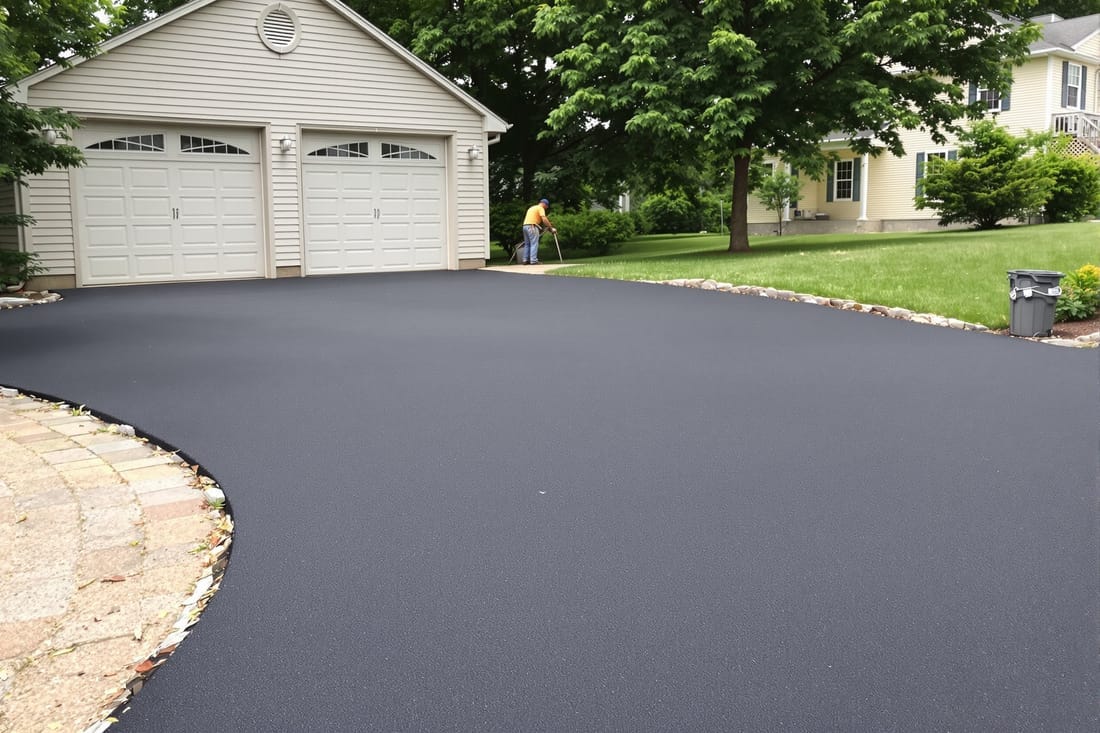
Our asphalt driveway installation in Richmond, VA delivers a smooth, durable surface that boosts curb appeal and property value. We handle grading, drainage, and paving so your new driveway performs for years. Get a free on site estimate today.
Precision Asphalt Richmond provides professional asphalt driveway installation throughout Richmond, VA, Virginia and the surrounding area. Our licensed, insured crew delivers safe, clean, on-time work with a free estimate before anything begins. Call (804) 409-4124 or request your free quote.
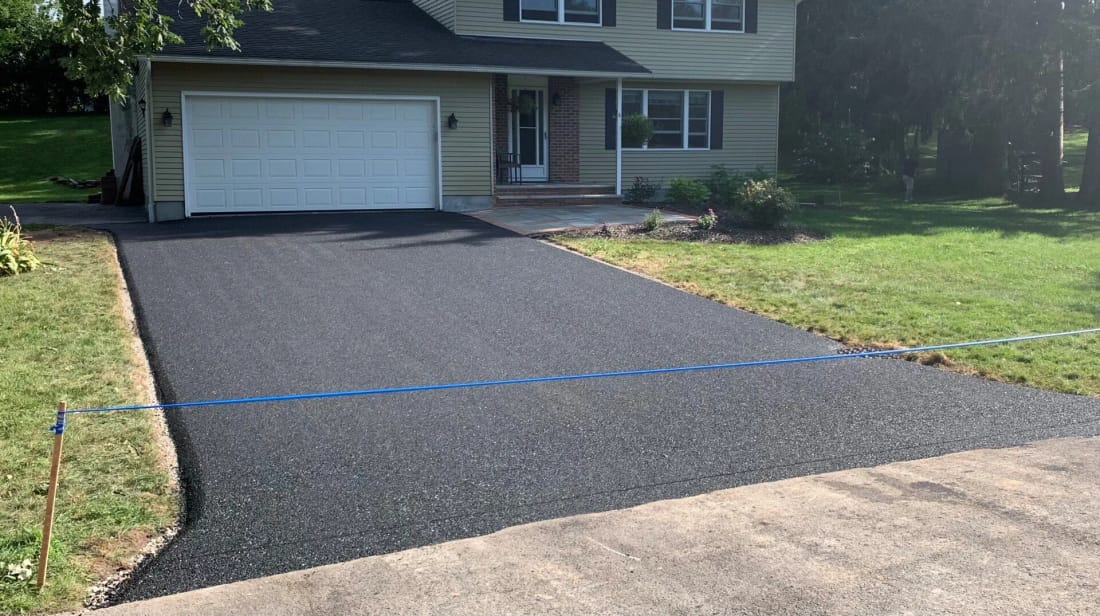
Asphalt Driveway Installation in Richmond, VA
If you are looking at replacing a failing driveway or putting one in for a new home, Precision Asphalt Richmond focuses on asphalt driveway installation that holds up to Central Virginia weather and daily traffic. We do not treat driveways like small parking lots. Residential work here needs to handle hot summers, occasional ice, and the clay-heavy soil you see throughout the Richmond area.
Every project starts with a site visit. We measure the layout, check how water currently drains across your yard, note any soft or low areas, and ask how you use the driveway. A short single-car strip for a city lot is very different from a wide turnaround for trucks and trailers in Chesterfield or Henrico. We use that information to design the base thickness, asphalt mix, and layout so you are not paying for things you do not need or stuck with a driveway that is underbuilt.
Our crews are local, so we know how Richmond’s freeze-thaw cycles, tree roots, and heavy summer storms affect asphalt. That experience shows up in the way we shape the stone base, how we plan transitions to the street, and where we recommend thicker asphalt or extra compaction. The result is a driveway that looks clean, drains correctly, and is built to last instead of just looking good on the first day.
Our Step-by-Step Driveway Installation Process
Precision Asphalt Richmond follows a consistent process for asphalt driveway installation so you know what is happening at each stage. Skipping small steps is usually why driveways fail early, so we focus on preparation more than anything.
1. Layout and utilities: We mark the driveway edges, discuss any changes to width or shape, and confirm utility locations. In older Richmond neighborhoods with mixed utility records, we take extra care so excavation does not hit shallow lines.
2. Removal of existing surface: We remove old asphalt, concrete, or gravel using skid steers and saws where needed. Broken concrete gets hauled off, and we cut clean edges at sidewalks, garage slabs, or the street so you get a neat joint instead of jagged seams.
3. Subgrade inspection and correction: Under the old driveway we often find soft clay, construction debris, or organic material. We dig out weak spots and replace them with compacted stone, typically a crusher run aggregate that locks together under compaction. This is critical for Richmond’s clay soils, which hold water and can pump under traffic if not corrected.
4. Stone base installation: We install and compact a graded aggregate base to the depth suited to your use. A light-use city driveway may need less stone than a long rural driveway that sees work trucks, but in all cases we compact in lifts to reach proper density. We shape the base for drainage, with a gentle crown or pitch to sheds water away from your house and garage.
5. Asphalt paving: We bring in hot mix asphalt from a local Richmond plant, using a mix design appropriate for residential driveways, not just whatever is cheapest that day. Asphalt is placed with a paver where access allows, or carefully by hand in tight spots. Rollers then compact the mat while it is at the right temperature so joints are tight and the surface is smooth.
6. Edges, transitions, and cleanup: We compact edges properly so they do not crumble under tire pressure, then tie into existing concrete, brick, or the public road with smooth transitions. Finally, we sweep and haul away debris so your property is ready for use once the asphalt has cooled and cured enough for traffic.
Material Options and Design Choices for Your Driveway
Asphalt driveway installation is not one single product. Precision Asphalt Richmond helps you pick the right structure, mix, and layout for how you actually drive and park.
Thickness and structure: A typical Richmond residential driveway might use a 2.5 to 3 inch compacted asphalt layer over 4 to 6 inches of stone base. If you have heavier vehicles, RVs, or trailers, we may recommend thicker asphalt, a stronger base, or both. We explain the tradeoffs clearly so you can balance upfront cost with long-term performance.
Asphalt mix types: For most driveways we use a dense-graded surface mix with smaller stone to give a smoother finish that still provides traction in wet weather. In shaded or tree-lined areas, we sometimes recommend slightly coarser mixes to improve drainage and reduce slick spots from leaf buildup. All mixes are sourced from local plants that understand VDOT and regional standards.
Layout and features: We can widen narrow driveways to allow easier passing, add parking pads alongside the main run, or create turnarounds so you do not have to back into busy Richmond streets. For sloped sites, we plan the route and grade to balance safe traction with a layout that fits your property. We also pay attention to how gutters, downspouts, and yard grading interact with the driveway so stormwater does not sit on the pavement.
Edges and borders: Some homeowners choose to add concrete or brick borders next to the asphalt for appearance. Where that makes sense, we coordinate heights and joint details so water does not collect along the border line and so plows or snow shovels do not catch on irregular edges.
Future maintenance planning: During design, we consider how you will sealcoat and repair the driveway in the future. This affects where we place joints and how we handle tie-ins, which can make future crack sealing and overlays more effective and less visible.
What Drives the Cost of Asphalt Driveway Installation
Two driveways that look similar in photos can have very different costs once we actually inspect the site. Precision Asphalt Richmond explains pricing up front so there are no surprises.
Access and removal: Tight access, steep slopes, or limited dump truck space can affect labor and equipment time. Breaking and removing thick concrete is more involved than scraping off thin, failed asphalt or regrading a gravel drive. These factors influence removal and disposal costs.
Subgrade and base conditions: In many Richmond neighborhoods we find soft clay, buried topsoil, or old construction rubble under existing driveways. Fixing those issues by undercutting and adding stone does add cost, but skipping that step almost guarantees future cracking and settling. We show you problem areas during the site visit so you can see what we are correcting.
Driveway size and thickness: The total square footage and the chosen thickness of stone and asphalt directly affect material quantities. A long double-wide driveway with thicker asphalt to support delivery trucks will cost more than a short single-width driveway with light car traffic, simply due to material and time.
Drainage work: If we have to add swales, underdrains, or more detailed grading to move water away from your home or garage, this adds scope. In parts of Richmond with known drainage issues or high groundwater, this work is often essential to prevent frost heave and base failure.
Finishing details: Edging treatments, transitions to sidewalks or garages, and added parking pads or turnarounds each add some cost. We itemize these so you can decide which features matter most for your budget without losing structural quality in the main drive.
We provide written estimates that spell out base thicknesses, asphalt thicknesses, and any special work needed, so you are not guessing at what you are paying for.
Common Driveway Problems in Richmond and How We Prevent Them
Local conditions in Richmond create predictable problems for poorly installed driveways. Precision Asphalt Richmond addresses these issues during asphalt driveway installation instead of patching them later.
Cracking from weak base: When contractors place thin asphalt directly over clay or over un-compacted fill, cracks usually appear within a few seasons. We prevent this by removing unsuitable material, using proper graded stone, and compacting it in layers. In areas where heavy vehicles turn sharply, like near garages or at tight curves, we may increase asphalt thickness or use a stronger mix.
Ponding water and ice patches: Flat or reverse-sloped driveways often develop puddles that turn into slick spots in winter. During grading we set a consistent slope so water runs toward grass or drainage areas, not back toward your house or into your garage. We check this with a level and by eye before paving, when adjustments are still easy.
Edge breakdown: When the asphalt edge hangs over soft soil or mulch, that edge tends to crumble as tires roll near it. We compact edges firmly and, where needed, recommend adding topsoil and grass or stone shoulders right up to the edge so it is fully supported. This is especially important along curves where drivers cut corners.
Tree root movement: Many Richmond properties have mature trees close to the drive. Roots can push up pavement over time. If roots are already lifting the existing driveway, we discuss options such as localized root pruning (with care for the health of the tree), slight route adjustments, or thicker base and asphalt to bridge minor movement.
Staining and surface wear: Richmond’s hot summers can accelerate aging of low quality asphalt. We use mixes that hold up to heat and recommend a basic maintenance plan so traffic and weather do not eat away at the surface quicker than necessary.
What to Expect When You Hire Precision Asphalt Richmond
When you contact Precision Asphalt Richmond for asphalt driveway installation, we start with a straight explanation of what your property needs and what it does not. You get one point of contact who walks the site with you, listens to how you use the driveway, and explains options in plain language.
Scheduling: Once you approve the proposal, we schedule your project based on plant availability and weather. Asphalt work depends on temperature and dry conditions, so we watch the forecast and keep you updated if something needs to shift. We aim to minimize the time your vehicles are displaced.
During the work: Our crew arrives with the equipment and materials already planned. We protect surrounding areas as needed, manage traffic if your driveway connects to a busy street, and keep access paths clear so you can move in and out when possible during multi-day projects.
Curing and use: Fresh asphalt needs time to cool and begin curing. Usually you can walk on it the same day and drive on it within 24 to 48 hours, depending on temperature and project details. We give specific instructions on when to park heavy vehicles, how to avoid scuffing the surface in hot weather, and when to schedule the first sealcoat if you choose to do that.
Follow-up: After completion, we review the driveway with you, point out drainage paths, and discuss simple maintenance steps. If you notice any issues as the driveway goes through its first few seasons, you can call us and speak with the same company that installed it, not a call center.
If you are planning a new driveway or replacing an old one anywhere in the Richmond, VA area, we can provide a site-specific plan and quote that explains each step before any work begins.