Home › Asphalt Milling and Reclamation
We offer asphalt milling in Richmond, VA to remove worn surfaces and correct profiles before new paving. For severely failed pavements, we perform full depth reclamation to stabilize the base and rebuild the asphalt. Contact us to plan milling and reclamation for your site.
Precision Asphalt Richmond provides professional asphalt milling throughout Richmond, VA, Virginia and the surrounding area. Our licensed, insured crew delivers safe, clean, on-time work with a free estimate before anything begins. Call (804) 409-4124 or request your free quote.
Asphalt Milling and Reclamation in Richmond, VA
Asphalt milling is the process of removing a controlled depth of existing asphalt so you can repair, reprofile, and resurface without tearing out the entire pavement. For Richmond property owners, this is often the most cost effective way to correct drainage problems, ruts, and surface failures while keeping the existing base in place.
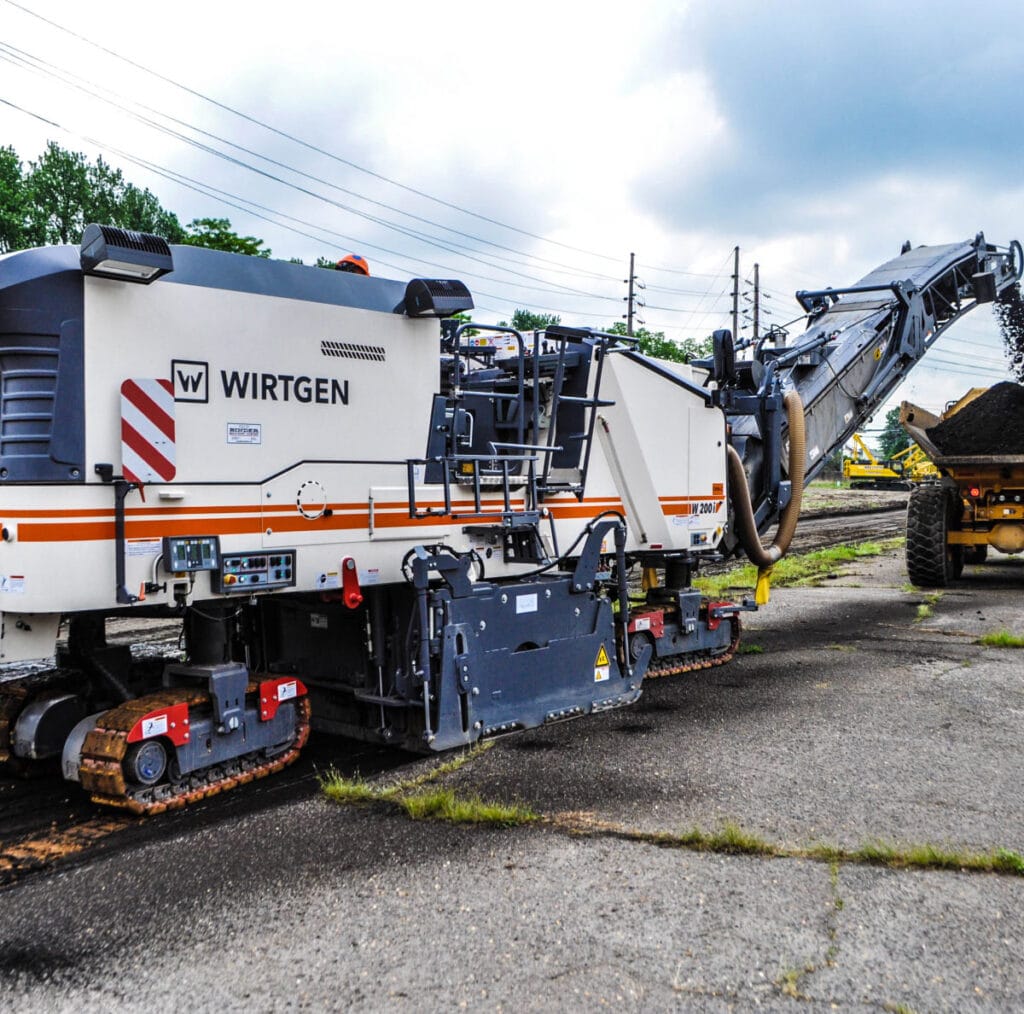
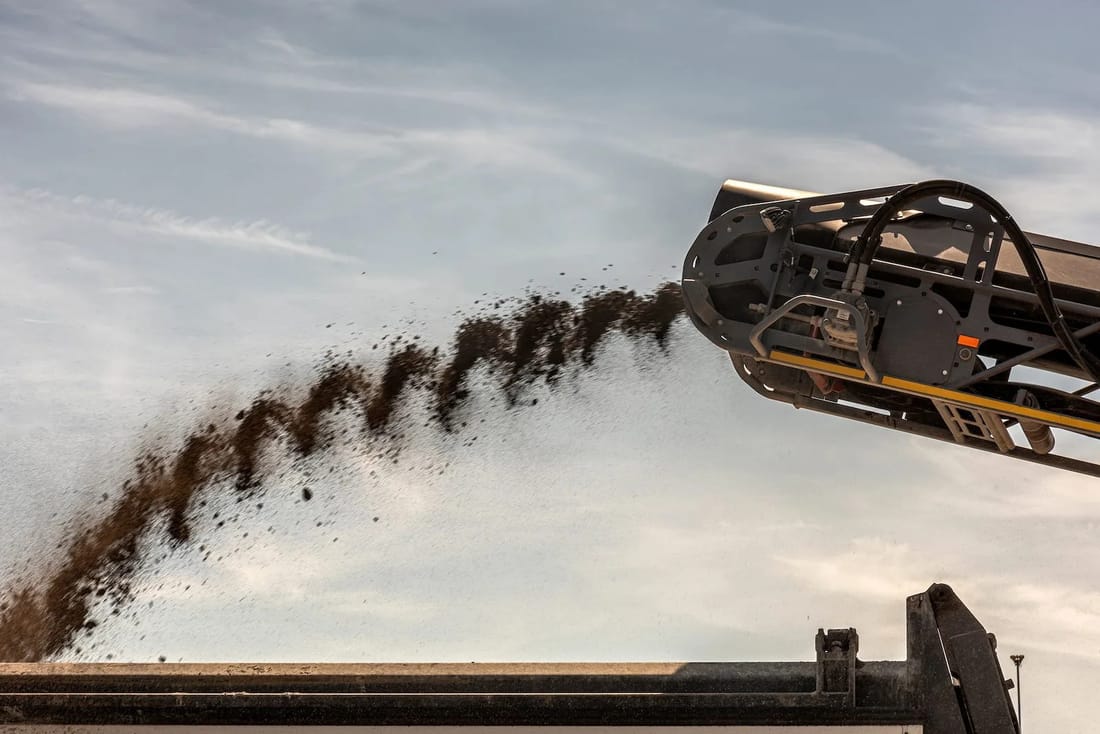
Precision Asphalt Richmond uses purpose built milling machines with rotating drums and carbide teeth to grind asphalt to a precise depth, usually from 1 inch to full depth in multiple passes. The milled material is loaded directly into dump trucks, either for off site recycling or for use as a base or shoulder material on the same project.
In Central Virginia, milling and reclamation are especially useful on aging parking lots, subdivision streets, HOA roads, and heavily used drive lanes that have good stone base underneath but a failing surface. Instead of paying to remove and dispose of all layers, you pay only to correct what is actually damaged. This is why we frequently recommend milling for commercial lots along Broad Street, industrial facilities in South Richmond, and older neighborhoods where full reconstruction would be disruptive.
Our team evaluates each pavement by coring or test pits, reviewing drainage patterns, and looking for reflective cracking from underlying layers. When the base is stable, asphalt milling or full depth reclamation can extend the life of the pavement by 15 years or more with a new surface course installed on top.
How Our Asphalt Milling Process Works
A successful milling job starts with layout and depth planning. Precision Asphalt Richmond crews mark high and low spots, drainage paths to inlets, and any utility structures such as manholes or water valves. We then set the milling machine to remove just enough material to eliminate ruts, shoving, and surface cracking while preserving sound base layers.
On milling day, traffic control is set up to keep vehicles clear of the moving equipment. Our milling machine grinds the asphalt in lanes, usually 6 to 7 feet wide. The conveyor loads the reclaimed asphalt pavement (RAP) into trucks that shuttle material either to our recycling partners or to an approved stockpile. Throughout the process we constantly check milling depth with grade controls and hand measurements so transitions match at tie in points like entrances and sidewalks.
After milling, we broom and sweep the surface multiple times. This step is often rushed by less experienced contractors, but in Richmond's humid climate, dust left on the milled surface can reduce bonding of the new asphalt overlay. We also inspect the exposed surface for soft spots or base failures. Any unstable areas are cut out, re based with compacted stone or asphalt base, and proof rolled before the overlay is placed.
Finally, tack coat is applied uniformly to the milled surface. This thin asphalt emulsion creates a strong bond between old and new pavement. Only after this preparation do we install the new asphalt surface course, usually 1.5 to 2 inches thick for parking lots and heavier for drive lanes and truck areas.
Full Depth Reclamation and When It Makes Sense
Asphalt reclamation, often called full depth reclamation, goes further than surface milling. Instead of just removing the top layer, we use specialized equipment to pulverize the entire asphalt section and some of the underlying aggregate base, usually 6 to 10 inches deep. The result is a blended, stabilized base that can be compacted and paved like new construction.
In the Richmond area, reclamation is a smart choice for roads or large parking areas with widespread base failures, multiple generations of patching, or chronic drainage problems. For example, older industrial yards along the James River corridor often have asphalt over thin or inconsistent stone. These pavements crack from the bottom up. Reclamation lets us rebuild the structure without exporting tons of old material or importing large volumes of new stone.
Precision Asphalt Richmond uses reclaimers that can mix additives like cement or asphalt emulsion into the pulverized material to increase strength. After pulverizing, we grade the reclaimed base to the proper slope, compact it using vibratory rollers, and then allow curing time if stabilizing agents are used. Once the base meets density and stability targets, we install new asphalt binder and surface courses.
Compared to full removal and replacement, reclamation usually reduces truck traffic, shortens construction time, and keeps more material on site. It also allows us to correct long standing drainage issues because we can regrade the entire section instead of just spot patching the worst locations.
What Drives the Cost of Asphalt Milling in Richmond
Several specific factors determine the cost of an asphalt milling or reclamation project in the Richmond market, and understanding these helps you evaluate quotes fairly.
Depth and area are the largest drivers. Milling 1 inch off a small parking lot near Short Pump is very different from milling 3 inches across a multi acre shopping center. Deeper cuts require more machine passes, more fuel, and more trucking for the reclaimed material. Reclamation projects add the cost of stabilizing agents, additional grading, and thicker new asphalt sections.
Access and phasing also affect price. Tight sites with many islands, loading docks, and entrances require more handwork and small equipment. If your business on Midlothian Turnpike must stay open, we may stage work at night or in segments. Night work, additional mobilizations, and traffic control increase project costs, but they can save you revenue by reducing disruption.
Material handling is another key factor. If RAP can be reused on site for shoulders or low traffic areas, disposal costs are minimal. If it must be trucked to an off site plant, fuel, trucking distance, and tipping fees at the recycler all matter.
Finally, surface condition and base stability influence the amount of repair needed before overlay. A lot with isolated fatigue cracking is far cheaper to repair than one with widespread base failure. Precision Asphalt Richmond always explains which repairs are optional, which are recommended, and which are critical so you can make informed decisions based on budget and risk tolerance.
Richmond Climate, Timing, and Project Scheduling
Central Virginia weather plays a direct role in when and how asphalt milling and reclamation should be scheduled. In Richmond, the ideal milling and paving season runs from late March through early November, when daytime temperatures and overnight lows support proper asphalt compaction and bonding.
Summer heat accelerates asphalt curing, which can be helpful, but thunderstorms are common. Precision Asphalt Richmond closely watches local forecasts and radar before milling. We try to avoid leaving a milled surface open if a heavy storm is likely, since ponded water can soften weak base areas or contaminate the surface before tack is applied.
In late fall, shorter daylight hours and cooler evenings affect the rolling window. We adjust paving start times and mix temperatures so the new surface compacts correctly before it cools. For reclamation with cement or emulsion stabilization, we schedule enough dry weather for the base to cure so it reaches design strength.
We also coordinate phasing for schools, churches, and facilities near VCU or downtown to avoid peak usage. For example, school bus lanes are often milled and paved in summer break, while commercial centers may choose overnight work so customers arrive to a clean, drivable surface each morning. Having a local crew that works in these conditions every season gives us a realistic view of how long each step will actually take.
Common Problems We Solve With Milling and Reclamation
Not every pavement problem needs full replacement. Many issues that Richmond property owners deal with can be corrected efficiently through targeted milling or reclamation.
Ponding and birdbaths occur when sections of pavement settle or were never graded correctly. By profiling milling, we remove more material from high spots and less from low spots, then install a new surface course that restores proper slope to drains and curb inlets. This is especially valuable for older shopping centers and apartment complexes where standing water leads to winter icing and liability concerns.
Reflective cracking from prior overlays is another frequent issue. When a parking lot has been resurfaced multiple times, old crack patterns often reappear in the new asphalt within a few years. Milling deep enough to remove the crack reflection zone, combined with localized base repairs, significantly slows recurrence.
In truck areas around distribution centers or loading docks, rutting and shoving develop where trailers turn or sit loaded for long periods. Precision Asphalt Richmond often mills out the deformed asphalt in these drive lanes, installs a stronger binder course or thicker surface mix, and sometimes uses a different mix design than the rest of the lot to handle higher loads.
For rural HOA roads or aging industrial yards with widespread structural failure, reclamation allows us to blend and strengthen the entire section. This eliminates the patchwork look that results from constant pothole repairs and provides a uniform driving surface for residents and heavy vehicles alike.
What to Expect When You Hire Precision Asphalt Richmond
Working with Precision Asphalt Richmond on an asphalt milling or reclamation project starts with a site visit and a clear written scope. We walk the pavement with you, identify problem areas, take measurements, and discuss traffic patterns, drainage complaints, and your budget range. You receive a proposal that spells out milling or reclamation depths, repair quantities, mix types, and phasing so there are no surprises.
Before work begins, we coordinate with your tenants or operations team to set dates, work hours, and access routes. You will know which entrances stay open, where to tow vehicles if needed, and how long each section will be unavailable. For many Richmond businesses, we stage work so that half the lot stays open while the other half is milled and paved.
During construction, a site supervisor is on location to answer questions and make field adjustments if unexpected conditions appear, such as soft spots or hidden utilities. Any significant changes are discussed before we proceed. At the end of each shift, we leave the site clean, with clear striping or temporary markings so drivers understand new traffic patterns.
After completion, we review the work with you, explain curing times, and note any short term restrictions such as heavy truck turns on fresh surfaces. For reclaimed sections, we provide guidance on maintenance and realistic service life. Our goal is a pavement that functions correctly in Richmond's climate, drains well, and supports your traffic without constant patching, so your long term cost per year of service stays as low as possible.