Home › Gravel-to-Asphalt Conversions
We turn bumpy gravel driveways into smooth asphalt in Richmond, VA. Our gravel to asphalt driveway conversion process includes grading, compacting, and paving to create a clean, low maintenance surface. Request a conversion estimate for your property today.
Precision Asphalt Richmond provides professional gravel to asphalt driveway throughout Richmond, VA, Virginia and the surrounding area. Our licensed, insured crew delivers safe, clean, on-time work with a free estimate before anything begins. Call (804) 409-4124 or request your free quote.
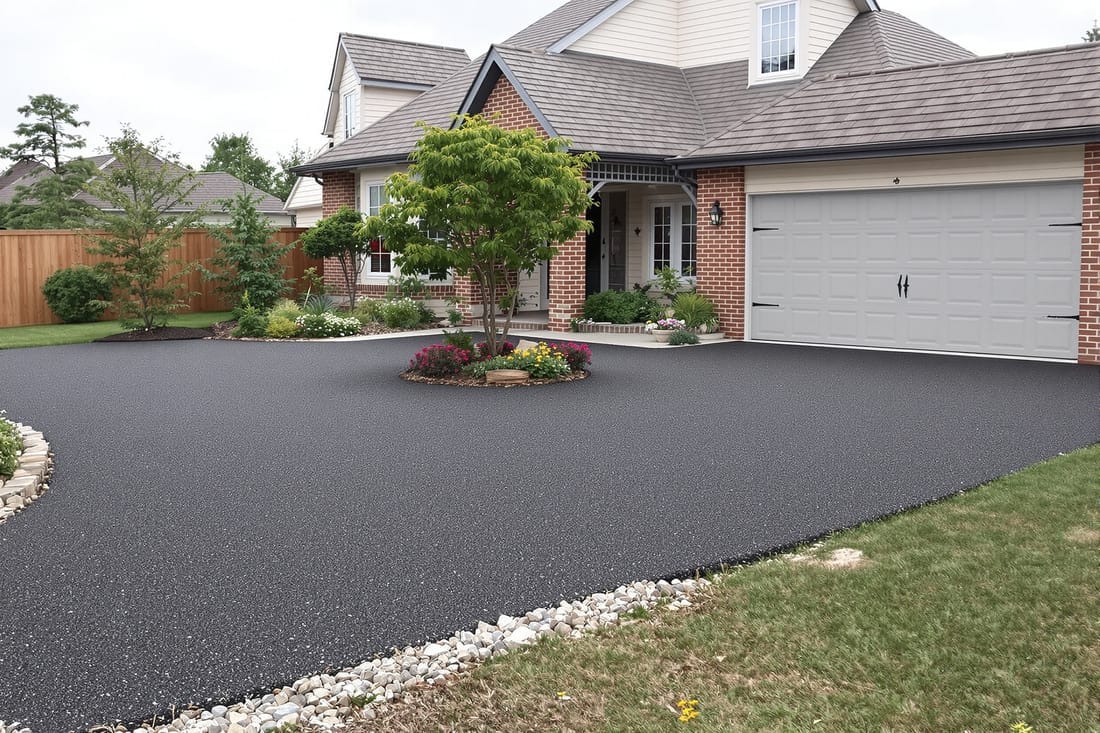
Turn Your Gravel Driveway Into Clean, Solid Asphalt
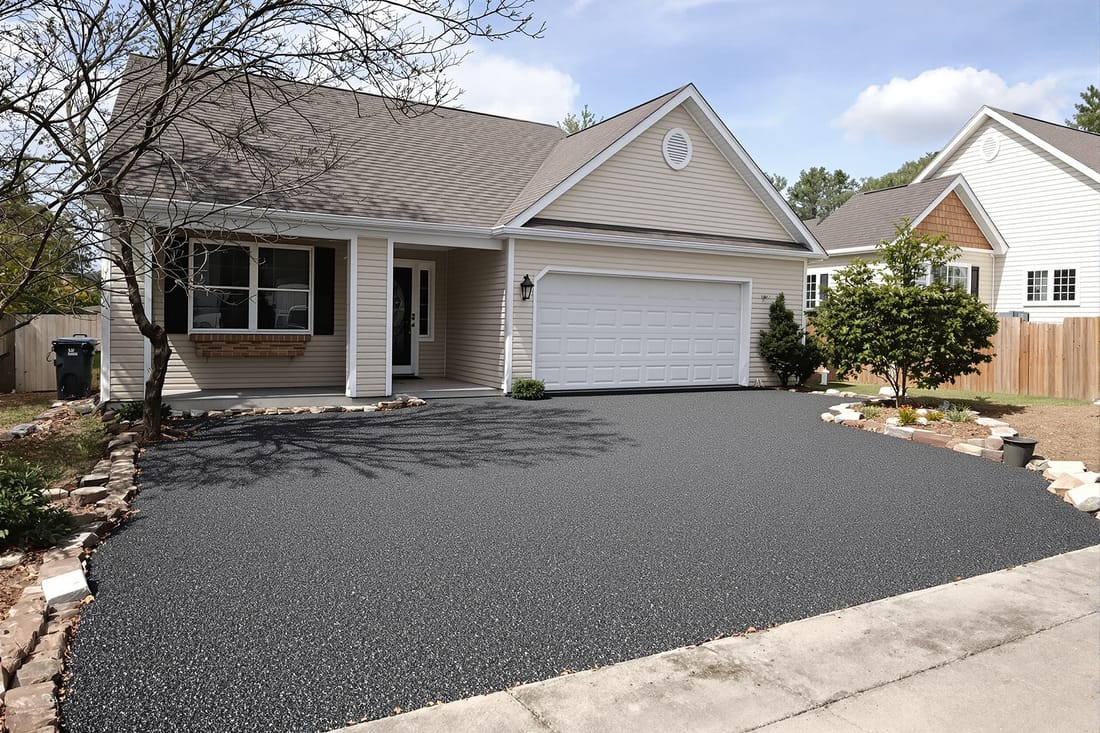
If you are tired of dust, ruts, and loose stone every time you pull into your driveway, a gravel to asphalt driveway conversion can make a big difference in how your property looks and functions. Precision Asphalt Richmond specializes in turning years-old gravel lanes and parking areas in the Richmond area into smooth, durable asphalt surfaces that stand up to local weather and regular traffic.
In Richmond, a lot of homes in neighborhoods like Varina, Northside, and parts of Chesterfield still rely on long gravel drives installed decades ago. Those driveways often have thin stone bases, drainage issues, and soft spots that only show up after a big rain. Our team does not simply pave over the gravel. We evaluate what is under it, then rebuild the structure so the asphalt will last on your specific site and soil.
We are a local crew that works in Richmond clay every day. That matters, because conversion work is as much about correcting the existing gravel and subgrade as it is about laying new asphalt. We know where frost heave is common, which areas are prone to standing water, and how to grade so rain runs away from historic brick homes and older foundations that are common in the city.
How We Convert Gravel To Asphalt, Step By Step
A successful gravel to asphalt driveway project follows a clear sequence. Precision Asphalt Richmond treats each step as its own quality checkpoint, not a rush to get blacktop on the ground.
1. Site evaluation and measurements: We start by walking the entire drive with you. We look for potholes, low areas that hold water, signs that gravel is mixing with the underlying soil, and any tight turns or steep slopes. We measure widths, turning radiuses, and parking areas so the new asphalt fits how you actually drive and park.
2. Soil and base assessment: Older gravel drives in the Richmond area often have a thin stone layer sitting directly on clay. We probe the base to see how deep the stone layer goes and how firm the subgrade is. If the gravel pumps under foot or we hit soft soil quickly, we plan for base rebuilding instead of a basic overlay.
3. Grading and shaping: Using skid steers and graders, we rework the existing gravel, cut out high spots, and fill low spots. We create a steady crown or cross slope so water sheds to the sides instead of traveling down the drive. Around garages and walkways, we fine-tune elevations so there are no trip edges.
4. Base building and compaction: Where needed, we add new aggregate stone (often a compactable 21A or similar) in controlled lifts, then compact each lift with a vibratory roller. Proper compaction is what keeps your asphalt from cracking or dipping later. On steeper driveways in parts of western Henrico or Powhatan, we may recommend a thicker base for additional stability.
5. Asphalt installation: Once the base is solid, we pave with hot-mix asphalt from local Richmond plants. For most residential driveways, we install a binder course where needed, followed by a surface course that provides a smooth finish and proper traction. Edges are compacted carefully into the base so the asphalt is locked in, not just sitting on top.
6. Final rolling and detail work: We finish with steel drum and pneumatic rollers to achieve proper density and a uniform appearance. Transitions to roads, sidewalks, and garage slabs are feathered so tires and snow shovels do not catch on an edge.
Driveway Design Options: Thickness, Layout, and Finish
There is no single standard design for a gravel to asphalt driveway conversion, because every Richmond property is a little different. At Precision Asphalt Richmond, we give you choices that fit your budget, vehicle types, and long-term plans.
Thickness options: A basic residential driveway for cars and light SUVs often uses a 2 to 2.5 inch compacted asphalt surface over a properly compacted stone base. Where heavier vehicles, boats, or work trucks are common, we may suggest a two-layer system: a 2 to 2.5 inch binder course plus a 1.5 inch surface course. For long rural driveways serving horse trailers or service trucks, total asphalt thickness of 3.5 to 4 inches is often a smart investment.
Layout and width: Many older gravel drives in Richmond are just wide enough for one vehicle. When converting to asphalt, you can widen tight pinch points, add turnouts, or create a parking pad near the house. A typical comfortable single-lane asphalt driveway is about 10 feet wide, while 12 feet or more feels better for full-size trucks. In cul-de-sacs and flag lots, we might suggest a turnaround area so you do not have to back into busy streets.
Edge treatments and aesthetics: You can keep the asphalt edge natural and compacted into the base, which is the most economical. If you prefer a more finished look, we can pave to a straight line so you can later add brick, stone, or concrete borders. For homes in Richmond’s older neighborhoods where character matters, we often shape gentle curves and wider apron areas that fit the architecture instead of a straight, narrow strip.
Surface performance: We use mixes designed for our climate, with the right aggregate size and asphalt binder content. That helps the driveway resist rutting in summer heat and minor freeze-thaw cycles in winter. We can discuss sealcoating schedules during the design phase so you know how to protect the look of your new driveway over time.
What Affects the Cost of Converting Gravel to Asphalt
Homeowners often ask why two gravel to asphalt driveway projects that look similar can be priced differently. The main reason is what we find under the gravel. Precision Asphalt Richmond provides clear explanations of cost drivers so you know where your money is going.
Base condition: If your existing gravel is deep, clean, and draining well, we may be able to regrade, compact, and pave with minimal additional stone. If the gravel is thin, full of dirt, or sitting on soft clay, we will need to bring in more aggregate and do more compaction work, which increases cost but also lifespan.
Length, width, and access: Long driveways, steep hills, and tight turns affect how much equipment time is needed and how easily trucks can deliver asphalt. A narrow, winding gravel lane behind older homes off Forest Hill Avenue may require smaller loads and more labor than a straight drive in an open subdivision.
Drainage corrections: If we need to install swales, small ditches, or additional pipe to move water away from the drive or the house, that adds material and labor. Solving drainage during conversion avoids repeat repairs from potholes and edge failure later.
Asphalt thickness and mix: Choosing a thicker section or a multi-layer system costs more up front but reduces the chance of structural failure. We explain the trade-offs so you can decide whether a basic section or an upgraded design is right for your budget and how you use the drive.
Tie-ins and finish work: Matching existing garage slabs, walkways, or municipal street elevations can require additional handwork and sometimes concrete or curb adjustments. We include these details in our proposals so you are not surprised halfway through the project.
Common Gravel Drive Problems We Fix During Conversion
Simply covering gravel with asphalt can trap existing problems underneath. Precision Asphalt Richmond focuses on solving those issues first so your new surface starts out right.
Ruts and wheel tracks: Long-term gravel tracks point to inadequate base thickness or poor compaction. Before paving, we cut down high ridges, fill low tracks with new stone, and compact until the surface is firm across the full width, not just in the middle.
Mud pumping through gravel: When you see mud working its way up into the gravel after a rain, the stone layer is too thin or clogged with fines. In these cases we typically scarify the top layer, remove contaminated material where needed, and rebuild the base with clean aggregate compacted in lifts.
Poor drainage and standing water: Many Richmond gravel drives sit slightly below the yard, which lets water collect on the surface. We address this by adjusting slopes, creating shallow ditches, or adding pipe where water must cross the driveway. This helps prevent potholes, edge breakdown, and ice patches in winter.
Soft shoulders and edge failures: On older gravel, the drive often blends into the lawn with no real edge support. When converting to asphalt, we create a slightly wider compacted stone base than the planned asphalt width. The asphalt then sits on fully supported stone, which reduces cracking and chipping at the edges.
Dust and loose stone near the house: Part of the benefit of conversion is cleaner entry areas and less stone tracked into garages and living spaces. By addressing slope and base depth near the home, we keep the surface firm so you get the full advantage of a hard asphalt drive.
What Richmond Homeowners Should Know Before Hiring
Converting a gravel driveway to asphalt is a construction project in your front yard, so it helps to know what to expect. Precision Asphalt Richmond makes a point of communicating clearly before we start so your day-to-day life is disrupted as little as possible.
Timing and curing: In normal Richmond weather, most residential conversions can be driven on within 24 hours after paving, sometimes sooner for light vehicles. Heavy trucks, moving vans, and dumpsters should be kept off the new surface for several days to avoid scuffing or depressions. We will give you specific guidance based on temperature and thickness.
Permits and HOA guidelines: In some parts of the city and surrounding counties, especially in subdivisions with active homeowners associations, you may need to submit a simple plan or color sample. We can help with basic drawings, dimensions, and product descriptions for review boards.
Utility awareness: Before we start work, underground utilities should be located. Private lines like irrigation or landscape lighting around long gravel drives are especially important. We coordinate official utility marking and ask you to point out any private features we should avoid.
Realistic expectations: New asphalt will have some surface texture and may show roller marks or faint seams right after installation. That is normal and tends to visually blend as the surface oxidizes. We install to proper density and drainage first, then focus on finish so you get a driveway that looks good and performs well.
Communication and access: We plan work so you are not unexpectedly blocked in. For long drives with a single access point, we discuss staging your vehicles on the street or at a neighbor’s before paving starts so you can come and go while the new asphalt cools.
Why Work With Precision Asphalt Richmond for Gravel-to-Asphalt Conversions
When you choose a contractor for a gravel to asphalt driveway project, you are trusting them with how you enter and leave your home every day. Precision Asphalt Richmond focuses on long-term performance and honest guidance instead of quick, thin overlays.
Local experience: Our crews work almost entirely in the Richmond region, from city neighborhoods to rural properties in surrounding counties. We know how local soils behave, which plants produce reliable mixes, and how the weather patterns affect scheduling and curing.
Detailed proposals: We do not quote a single price without explaining what base repairs, thicknesses, and drainage adjustments are included. If we see optional upgrades that would meaningfully extend the life of your driveway, we show them as options, not surprises.
Respect for your property: Conversion work involves heavy equipment, but we plan access paths, load locations, and staging areas to protect your lawn and landscaping as much as possible. At the end of the project, we clean up loose stone, rake disturbed soil where practical, and leave you with a driveway that looks finished.
Support after installation: We walk the finished asphalt with you, point out how water is intended to flow, and review basic care like when to sealcoat and how to avoid damage in the first months. If questions come up after we leave, you reach the same local team that did the work, not a distant call center.
If you are considering a gravel to asphalt driveway in Richmond or the surrounding area, we can evaluate your existing drive, explain your options in plain language, and provide a conversion plan that fits your home, budget, and long-term plans.