Home › Walkway and Pathway Paving
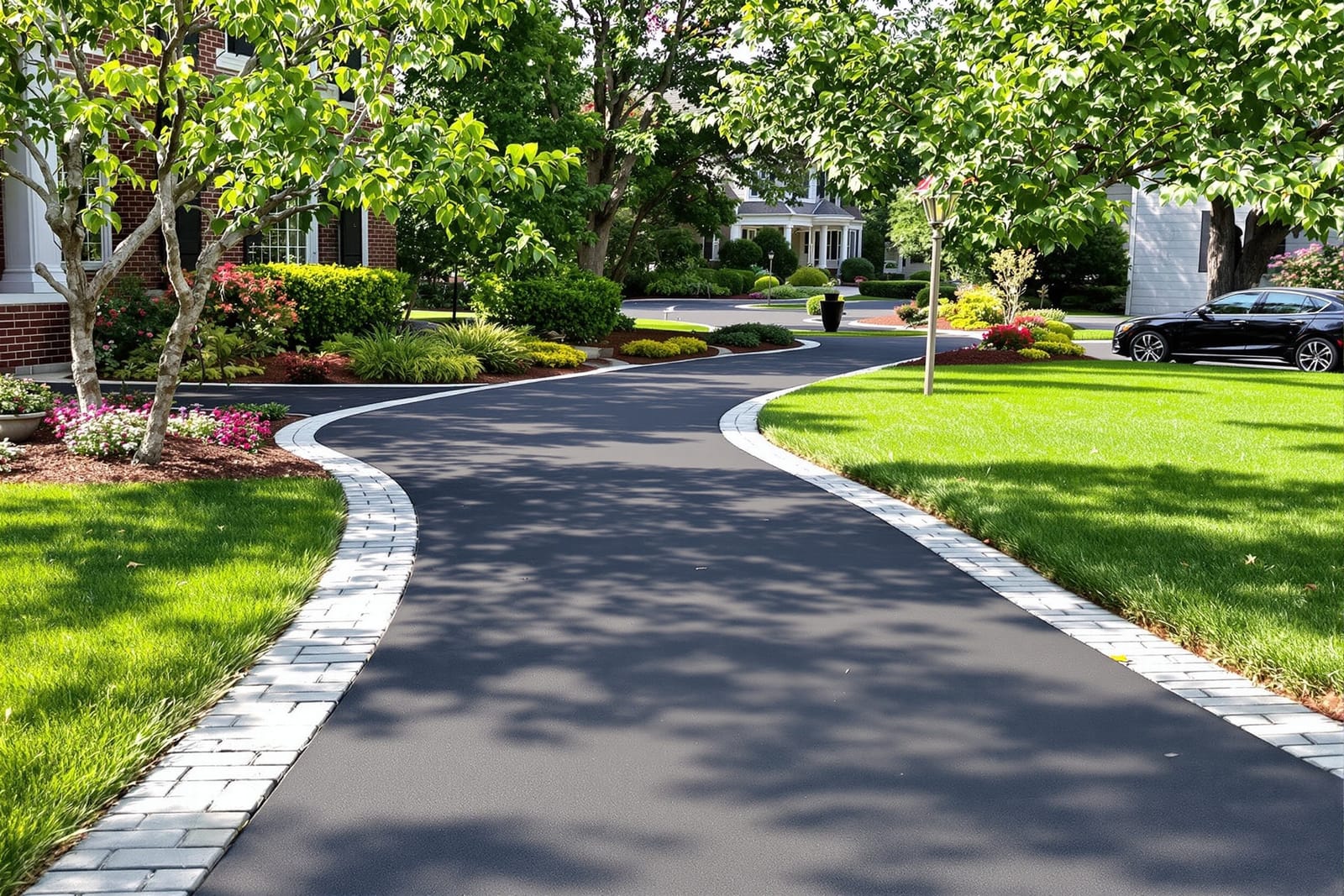
We create smooth asphalt walkways and pathways in Richmond, VA that improve access around your home. Our team designs and paves paths that blend with existing driveways and patios while staying safe and low maintenance. Get a custom walkway quote today.
Precision Asphalt Richmond provides professional asphalt walkway paving throughout Richmond, VA, Virginia and the surrounding area. Our licensed, insured crew delivers safe, clean, on-time work with a free estimate before anything begins. Call (804) 409-4124 or request your free quote.
Asphalt Walkways and Pathways Built for Richmond Life
At Precision Asphalt Richmond, we design and pave asphalt walkways and pathways that fit how you actually use your outdoor space. Whether you need a safe path from your driveway to the front door, a walking loop around a community green, or a network of walkways through a church or apartment property, we build surfaces that hold up to Richmond weather and daily foot traffic.
We focus on three things for every walkway project: drainage, traction, and long-term stability. The clay-heavy soils around Richmond expand and contract, so we build each pathway with a base that can handle our wet springs, hot summers, and freeze-thaw cycles in winter. Our team is local, so we know where water tends to sit, how tree roots behave in this area, and what it takes to keep a pathway from cracking or sinking after just a few seasons.
From the first visit, we walk the site with you and talk through how people will actually move along the path: strollers, wheelchairs, kids on bikes, seniors with walkers, or joggers. This affects width, slope, and what kind of edging or transitions you need. The result is an asphalt walkway that feels natural to use and looks like it belongs on your property, not something that was just dropped on top of the grass.
Planning Your Walkway: Layout, Width, and Drainage
Good asphalt walkway paving starts long before the first machine shows up. On a typical Richmond project, Precision Asphalt Richmond begins with a careful layout. We mark the proposed path with paint and flags, then walk it with you to confirm the route, width, and tie-in points at steps, porches, sidewalks, or parking lots.
Width is usually 4 to 6 feet for residential walkways and 6 to 8 feet for community or commercial paths that serve more people. If you expect two-way foot traffic, wheelchairs, or utility carts, we recommend going a bit wider to prevent bottlenecks. We also consider turning radiuses for strollers or mobility devices, especially around corners or at entrance ramps.
Drainage planning is critical in the Richmond area. Our thunderstorms can drop a lot of water very quickly, and if it sits on or under your path, it will shorten the life of the asphalt. We check slopes with a level and aim for a gentle cross slope (about 1 to 2 percent) so water sheds off the surface without feeling like a tilt when you walk. Where the path crosses low spots, we may suggest small culverts, French drains, or shallow swales alongside the walk so water has a place to go instead of undermining the base.
If the pathway will tie into existing concrete, city sidewalks, or ADA ramps, we plan transitions so you do not get that harsh bump or trip edge. We often taper the asphalt or install a small concrete apron so everything meets cleanly and complies with local accessibility expectations.
Site Preparation and Base Construction
The strength of any asphalt walkway in Richmond depends on how well the ground is prepared. At Precision Asphalt Richmond, we start by stripping sod, roots, and topsoil to reach firm subgrade. In many Richmond neighborhoods, that means dealing with red clay and compacted fill. We remove any soft, organic, or loose material until we hit soil that can be compacted tightly.
Next, we mark the final elevation of the walkway and cut to depth. For standard foot traffic, we typically excavate 6 to 8 inches to make room for a stable stone base and the asphalt layers. In areas with heavier garden equipment, golf carts, or maintenance vehicles, we may deepen the base to 8 to 10 inches.
We install a layer of crushed stone, usually a 21A or similar aggregate that packs very tightly. This stone is spread in lifts and compacted with a vibratory roller or plate compactor. The goal is a firm, smooth base that does not flex when you walk on it. In low or wet areas of Richmond, or where we know groundwater is an issue, we may recommend geotextile fabric under the stone to separate it from the clay and prevent long-term pumping and rutting.
Throughout this phase, we check lines and grades repeatedly. Any dips or high spots in the base will show up later as puddles or thin spots in the asphalt, so this is where a careful crew makes a big difference. Once the base is set, we trim and compact the edges so the walkway has full support at the sides and is ready for paving.
Asphalt Mixes, Thickness, and Edging Options
For asphalt walkway paving, we choose mixes and thicknesses based on how the path will be used. A simple backyard walkway with only foot traffic can often be built with a single 2 to 2.5 inch compacted layer of fine surface mix. Community trails or apartment complex walkways that occasionally see maintenance carts or light vehicles usually benefit from a two-layer system: a 2 to 2.5 inch base course topped with a 1.5 to 2 inch surface course.
The surface mix we use for walkways has smaller aggregate than typical road asphalt so it is smoother underfoot but still offers good traction when wet. On hills or shaded areas where algae and moisture can linger, we may adjust the mix or texture slightly to reduce slipperiness. Our team can explain the specific VDOT-approved mixes we use and why they make sense for your project.
Edging is an important part of both appearance and durability. Some homeowners in Richmond like a clean, rolled asphalt edge that transitions directly into lawn or mulch. Others prefer a rigid edge, such as concrete curbing, brick, or metal edging, to keep gravel, mulch, and soil from washing onto the walkway. On community paths, low concrete or asphalt curbs can help guide pedestrians and keep water and debris off the surface.
We also consider color contrast and visibility. Dark asphalt against dark mulch can make path edges hard to see at night. We might suggest lighter stone borders, painted lines at stairs or transitions, or integrated lighting options so the walkway is safe for evening use.
How Paving Day Works and What to Expect
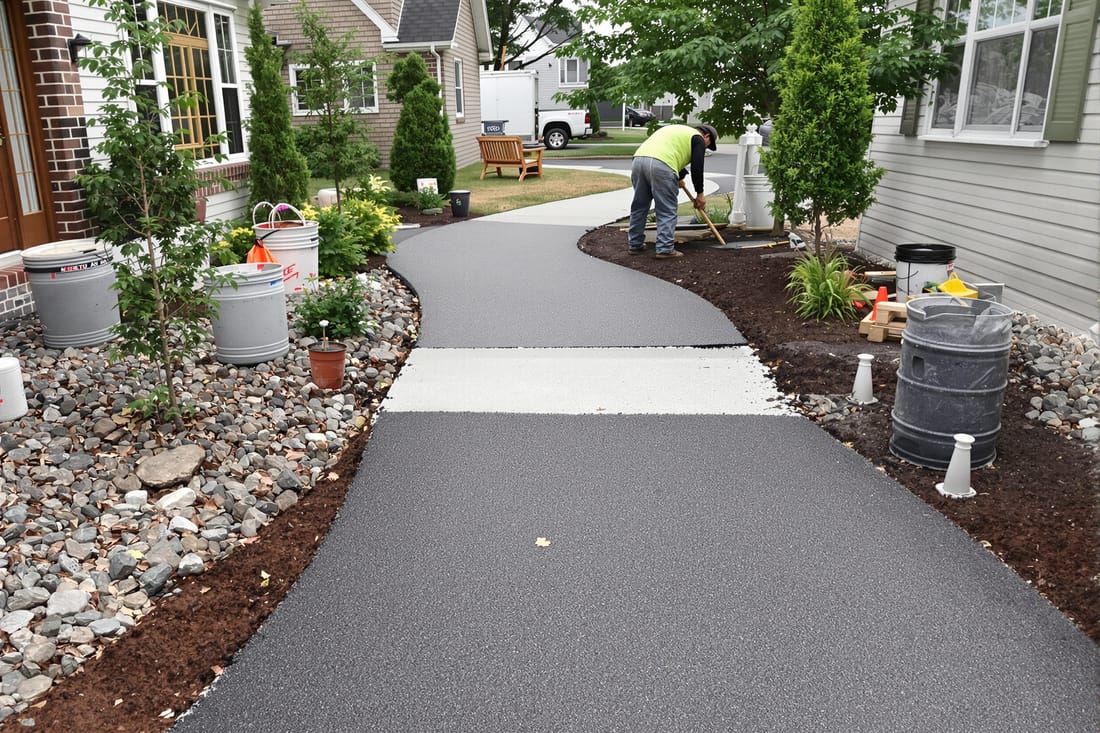
On paving day, Precision Asphalt Richmond coordinates equipment, materials, and crew to minimize disruption to your property. Before asphalt arrives, we check the base one more time, sweep off any loose debris, and dampen dusty areas if needed so the asphalt bonds well. Then we set string lines or use the existing edges to guide thickness.
For longer or wider pathways, we use a small asphalt paver to place the mix uniformly. In tight or curved spaces, we may hand-place the asphalt, then compact it with a roller and plate tampers. We work the edges carefully so they are fully compacted and will not crumble. Throughout the process we monitor temperatures, since asphalt must be laid and compacted while it is still hot to achieve proper density.
Once the asphalt is placed, we usually make two to three passes with a roller, starting immediately to lock everything together. We pay special attention to joints where one paving pass meets another so you do not feel seams underfoot later. At transitions to concrete steps, garage slabs, or sidewalks, we hand-tamp and smooth to create a gradual, comfortable change.
Most residential walkways are ready for light foot traffic within a few hours, usually the same day. For community or commercial paths with heavier use or cart traffic, we may recommend waiting 24 hours before opening the area. We will give you clear instructions before we leave on when to walk on it, when to place furniture or planters, and how to avoid scuff marks in the first few days while the asphalt finishes cooling and curing.
Costs, Local Timing, and Common Issues in Richmond
Several factors drive the cost of asphalt walkway paving in Richmond. Length and width are obvious, but site access, slope, tree removal, and drainage work can be just as important. A straight, open backyard walkway with easy truck access will cost less per foot than a winding shaded path that requires hand work, tree root management, or hauling materials in wheelbarrows.
Soil conditions matter too. If we find soft spots, buried debris, or very wet ground, we may need additional excavation, stone, or stabilization fabric. While this adds to the price, it prevents early cracking or sinking. We always discuss any conditions we discover before proceeding so you can choose the right level of repair for your budget and long-term plans.
In Richmond, the best seasons for new asphalt walkway paving are typically late March through early June and September through early November. During these times, temperatures are warm enough for proper compaction, but not so hot that the surface scuffs easily. We can pave in the summer, but we schedule work earlier in the day and give more detailed aftercare instructions. Winter work is possible for small repairs and some paths, but full installations are limited by cold temperatures and shorter daylight.
Common issues we see on older Richmond walkways include tree root lifting, ponding water, and edge breakup where the asphalt was not fully supported. When we replace or repair paths, we address these root causes, such as trimming or root-barrier installation, regrading the base, or adding edging and better drainage, instead of simply covering the problem with a new layer.
Maintenance, Repairs, and How to Work With Us
Asphalt walkways do not require constant attention, but a few simple habits will keep them in good shape. Sweep leaves and debris regularly, especially in shaded Richmond yards where moisture and organic matter can promote moss or algae. Keep nearby shrubs trimmed so roots and branches do not push into the edges or shade the surface excessively.
We typically recommend sealing walkways 1 to 3 years after installation, depending on sun exposure and traffic. Sealcoating helps slow oxidation from UV and makes it easier to clean off spills and stains. It also improves appearance, especially where paths meet older driveways or parking areas. Our team can inspect your walkway and let you know when it is actually time, rather than selling you unnecessary services.
If cracks or small depressions appear, addressing them early is far cheaper than waiting. We offer crack filling, patching, and partial reconstruction for sections that have settled or shifted. For community or HOA paths, we can set up a maintenance plan that includes periodic inspections and scheduled repairs so you can budget ahead instead of reacting to emergencies.
Getting started with Precision Asphalt Richmond is simple. We visit your property, measure and assess the site, talk through how you expect to use the walkway, and provide a written proposal with clear scope and options. Because we live and work here, we are used to coordinating around Richmond events, school schedules, and neighborhood restrictions. Our goal is to build a walkway or pathway that feels like a natural part of your property and serves your family, tenants, or visitors comfortably for many years.