Home › Asphalt Resurfacing & Overlays
We provide asphalt resurfacing in Richmond, VA to restore aging driveways with a fresh overlay instead of full replacement. Our team evaluates the base, repairs problem areas, and applies a new asphalt layer for a smooth, uniform finish. Request a resurfacing quote today.
Precision Asphalt Richmond provides professional asphalt resurfacing throughout Richmond, VA, Virginia and the surrounding area. Our licensed, insured crew delivers safe, clean, on-time work with a free estimate before anything begins. Call (804) 409-4124 or request your free quote.
Asphalt Resurfacing & Overlays in Richmond, VA
If your driveway, parking lot, or private road in Richmond is cracked, faded, or holding water but still basically holding together, asphalt resurfacing (often called an overlay) is usually the smartest way to restore it. At Precision Asphalt Richmond, we specialize in resurfacing that extends the life of your existing pavement without the cost and disruption of a full tear out.
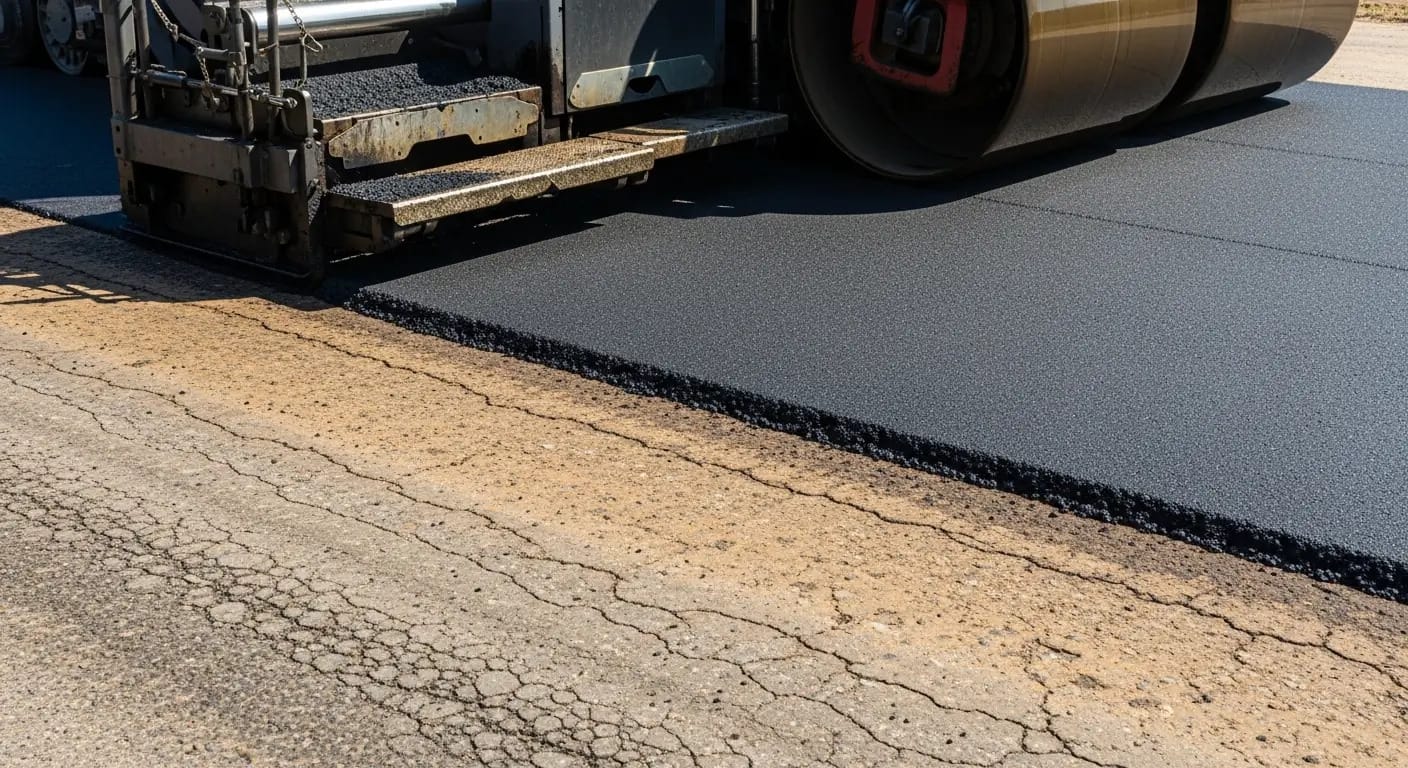
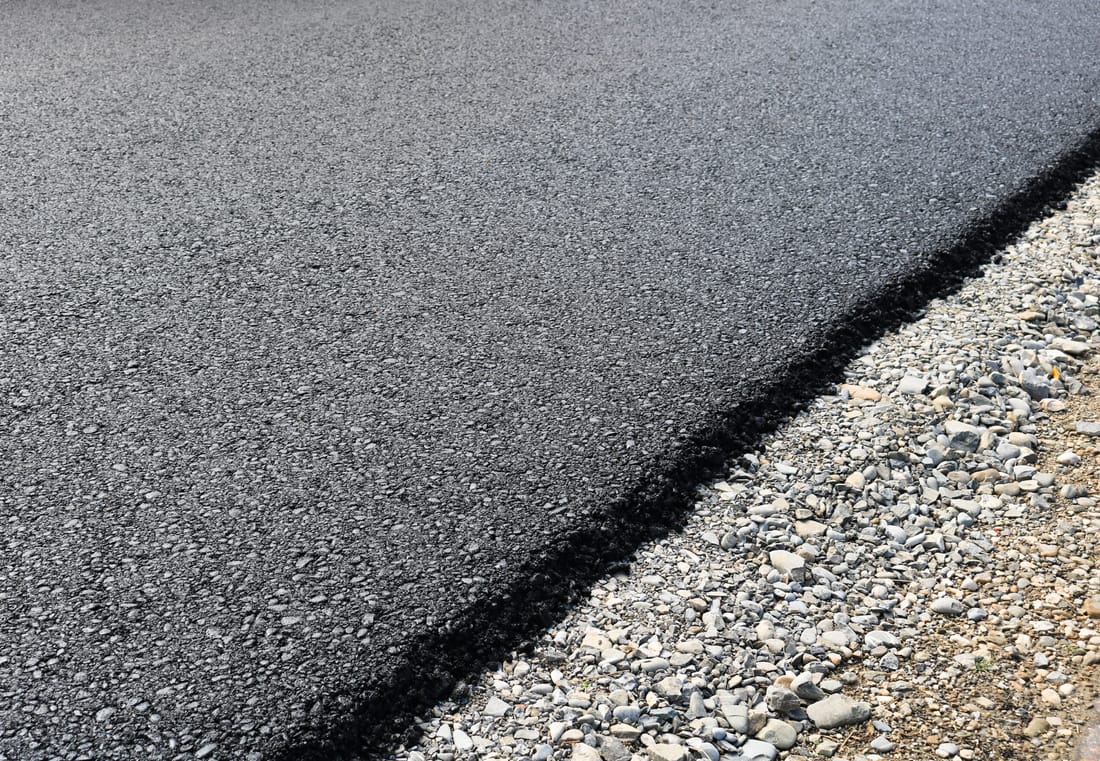
Resurfacing works by repairing and reinforcing the existing asphalt, then placing a new asphalt layer on top. When it is done correctly, you get a surface that looks and performs like new, while reusing the sound base you already paid for years ago. When it is done poorly, new cracks show through quickly, low spots keep puddling, and you end up paying twice.
Our approach is to investigate first, then recommend resurfacing only when it will genuinely hold up in Richmond’s climate. Heat, humidity, and freeze thaw cycles are tough on asphalt in Central Virginia, so we evaluate whether your base and subgrade are good candidates before we ever suggest an overlay.
How We Evaluate Whether Resurfacing Is Right For You
Not every cracked lot is a good candidate for asphalt resurfacing. Before we quote an overlay, a Precision Asphalt Richmond estimator walks the entire area with you, marking problem spots and explaining what we see in plain language.
We look for: (1) Structural vs cosmetic damage. Tight, hairline cracks and light raveling usually resurface well. Wide alligator cracking, heaving, or deep ruts often indicate base failure, which must be repaired or replaced. (2) Drainage issues. Standing water after a storm along Broad Street or in low lying lots near the James River tells us we may need to correct slopes before an overlay. Trapping water under new asphalt is one of the fastest ways to ruin it. (3) Edge stability. On driveways in Chesterfield or Henrico, broken or crumbling edges suggest the stone base is too narrow or weak, which must be addressed so the new layer does not unravel.
If more than about 25 to 30 percent of the pavement has structural failure, we will likely recommend a mix of patching and partial reconstruction instead of a simple overlay. Our goal is to make sure you understand when resurfacing is the right tool and when a different solution is more cost effective in the long run.
Step by Step: Our Asphalt Resurfacing & Overlay Process
Once we confirm your pavement is a good candidate, we follow a detailed resurfacing process designed for Richmond conditions.
1. Cleaning and prep. We sweep and power blow the surface to remove dirt, leaves, and loose material. Any oil saturated areas in places like restaurant parking stalls are treated or removed, since new asphalt will not bond properly to contaminated spots.
2. Milling or leveling where needed. If there are high spots at garage thresholds, transitions to VDOT maintained streets, or around drain inlets, we use a milling machine to grind those areas down. In low spots or birdbaths, we place a leveling course of asphalt to correct the grade so water runs off properly.
3. Full depth repairs. Severely cracked or sunken areas are saw cut and excavated. We rebuild the base with compacted stone, then patch with hot mix asphalt. This keeps underlying failures from reflecting through your new overlay.
4. Tack coat application. We apply a uniform tack coat, a thin bonding layer, over the existing pavement. This step is critical for a long lasting overlay and is something low price bids often skimp on.
5. Installing the new asphalt layer. Using state inspected hot mix from a Richmond area plant, we place a new surface course, typically 1.5 to 2 inches for residential driveways and 1.5 to 3 inches for commercial lots depending on traffic loads. Our crew uses steel drum and vibratory rollers to achieve proper compaction so the mat is dense and smooth.
6. Joints, edges, and finishing. We pay special attention to tie ins at sidewalks, existing concrete, and utility covers so you do not end up with trip edges or abrupt bumps. Finally, the surface is allowed to cool and cure, and we return for striping and pavement markings on commercial projects.
Material Options and Design Choices for Your Overlay
Not every overlay uses the exact same asphalt mix. Precision Asphalt Richmond will walk you through the options that make sense for how your pavement is used.
Mix types: For typical residential driveways in Richmond, we often recommend a fine graded surface mix that compacts tightly and looks smooth. For church lots, apartment complexes, or small retail centers, we may use a slightly coarser mix that better resists rutting under turning vehicles.
Overlay thickness: A thin 1.25 to 1.5 inch overlay may be appropriate for lightly used surfaces with mostly cosmetic damage. Heavier traffic areas, such as commercial entrances or loading zones, usually benefit from a 2 to 3 inch overlay or a combination of leveling course plus surface course. We will explain where we recommend extra thickness and why, instead of simply quoting a single depth for the entire area.
Transitions and curbs: Many Richmond neighborhoods have strict HOA standards for curb lines and runoff. We can feather overlay edges to match existing concrete gutters, add slight crown in the middle of long driveways so water drains to the sides, and adjust grades around curb cuts to comply with accessibility expectations where applicable.
Markings and layout: For commercial overlays, resurfacing is a good time to revisit parking layout, fire lanes, and ADA spaces. We can restripe to current codes, tighten or re space parking for better flow, and mark loading zones more clearly, which can help with both safety and enforcement.
What Affects Cost and Timeline for Asphalt Resurfacing
Homeowners and property managers in Richmond often ask what really drives the price of an asphalt resurfacing project. At Precision Asphalt Richmond, we are transparent about the factors that matter so you can compare bids fairly.
Condition of existing pavement and base: The more full depth repairs and patching your lot needs, the more labor and materials are involved before we ever place the overlay. Two driveways of the same size can differ significantly in cost if one needs substantial base repair.
Thickness and square footage: Asphalt is sold and installed by the ton. A thicker overlay or a wider driveway simply uses more material. When reviewing quotes, always confirm the specified thickness, not just the price per job.
Access and complexity: Tight backyards in the Fan or Church Hill can require smaller equipment and more handwork compared to wide open commercial lots in the suburbs. Working around busy retail hours or coordinating with multiple tenants can also extend the schedule, which may slightly affect the price.
Drainage improvements and milling: Correcting long standing standing water problems, adding drains, or extensive milling at tie in points will increase cost but usually pays off through longer pavement life and fewer callbacks.
Most residential resurfacing jobs are completed in one day, with another day for striping on commercial projects. We schedule work around Richmond weather patterns, avoiding extremely hot, cold, or rainy days to ensure proper compaction and curing.
What Richmond Property Owners Should Know Before Hiring
Before you commit to any asphalt resurfacing contractor in Richmond, it helps to know what to ask and what to watch for. A quality overlay is an investment that should last many years when done right.
Ask how your pavement will be evaluated. If a contractor offers resurfacing sight unseen or after only a quick drive by, be cautious. You want a written scope that identifies base repairs, crack treatment, milling locations, and overlay thickness.
Confirm licensing and insurance. In Virginia, asphalt contractors working on larger jobs should carry proper liability and workers compensation coverage. Precision Asphalt Richmond is fully insured, and we are happy to provide documentation upon request.
Check drainage and tie in plans. Make sure the proposal addresses how water will drain after the overlay, especially if you currently have puddles. Also review how the new asphalt will meet existing concrete, garages, and public streets so you understand whether milling or feathering is planned.
Clarify curing and use. For driveways, we typically recommend keeping vehicles off for at least 24 hours in typical Richmond temperatures, and slightly longer in cooler weather. Heavy trucks should be kept off overlays for several days when possible, especially in hot weather.
Finally, ask about maintenance. After your overlay, routine sealcoating (on an appropriate schedule), crack sealing, and reasonable snow removal practices will extend its life. We provide each customer with simple, written care guidelines tailored to their specific resurfaced pavement so you know exactly how to protect your investment.