Home › Commercial Gravel-to-Asphalt Conversions
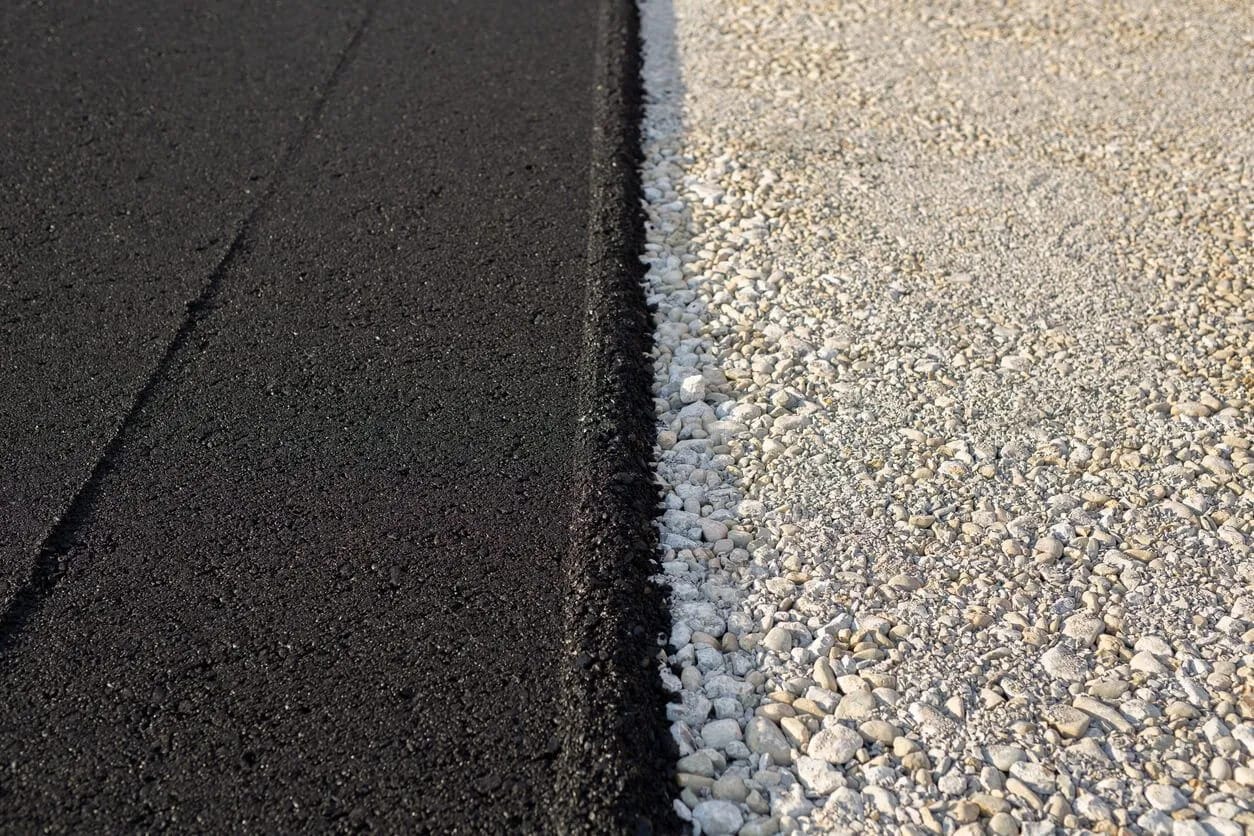
We upgrade commercial gravel lots and drives to asphalt in Richmond, VA. Our team evaluates drainage, compacts the base, and installs new asphalt to reduce dust, mud, and maintenance. Request a gravel to asphalt conversion quote for your business or facility today.
Precision Asphalt Richmond provides professional commercial gravel to asphalt throughout Richmond, VA, Virginia and the surrounding area. Our licensed, insured crew delivers safe, clean, on-time work with a free estimate before anything begins. Call (804) 409-4124 or request your free quote.
Commercial Gravel-to-Asphalt in Richmond, VA: What This Service Really Involves
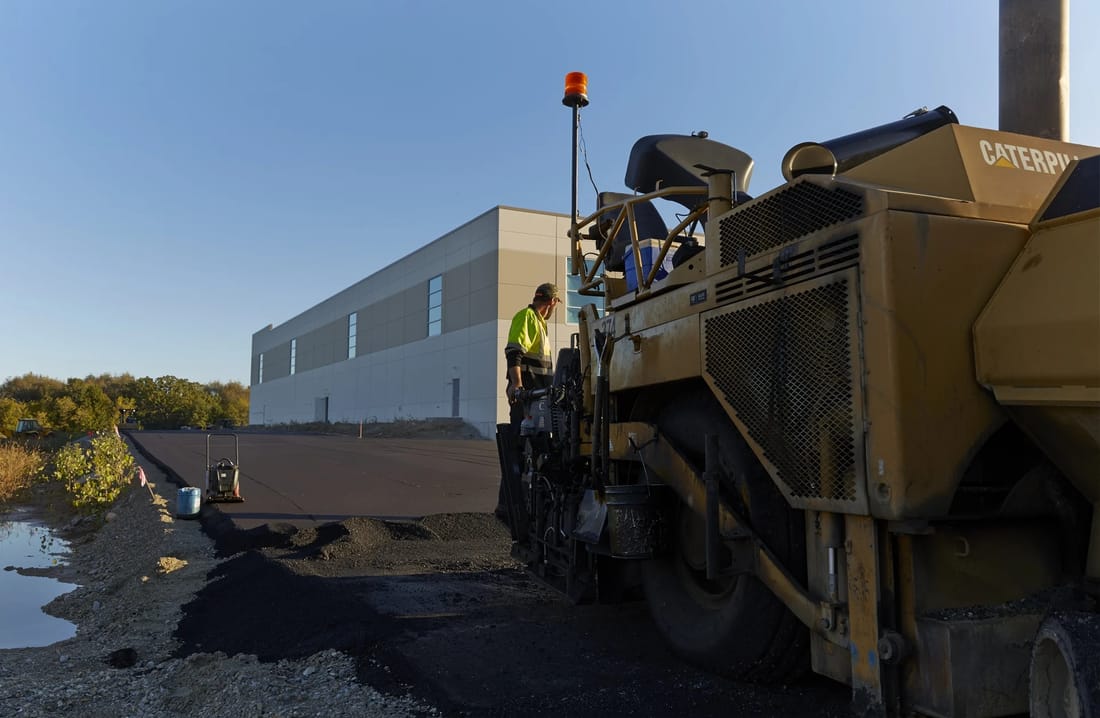
If you have a gravel lot or drive that needs to work like a real commercial surface, Precision Asphalt Richmond handles full commercial gravel-to-asphalt conversions in and around Richmond, VA. We turn dusty, uneven, high-maintenance gravel areas into structured asphalt pavements built to take delivery trucks, employee vehicles, and customer traffic.
Most of our requests come from businesses with gravel parking lots that wash out toward Broad Street or Hull Street after summer storms, warehouse yards in Eastern Henrico that track mud into loading docks, and small retail centers in Chesterfield that want cleaner, more professional curb appeal. A proper conversion is more than just paving over gravel. We correct drainage, stabilize the base, set traffic patterns, and choose an asphalt mix strong enough for your actual vehicle loads.
On this page, we walk through how the work is done, what affects cost, common problems on Richmond soils, and what to ask any contractor before you approve a proposal. The goal is simple: when Precision Asphalt Richmond is finished, you have a solid asphalt surface that holds up to Central Virginia weather and the way your business really operates.
Site Evaluation and Planning Specific to Richmond Commercial Lots
A solid commercial gravel-to-asphalt project starts with a site evaluation. We walk the lot with you and look at how you actually use the space: where trucks turn, where customers park, how water flows after a thunderstorm, and which areas stay soft longest after rain.
In the Richmond region we see a lot of mixed conditions. Older industrial yards near the James River often have deep, loose gravel over silty soil that holds water. Suburban commercial properties in Short Pump or Midlothian may have thin gravel spread directly over heavy red clay. Those differences affect how much base work you truly need. Precision Asphalt Richmond cores or probes the existing gravel to check depth and compaction, then identifies low spots, ruts, and areas where water already stands.
Planning also covers geometry and use. For example, if your gravel lot has turned into a free-for-all of scattered parking, we can lay out organized spaces, defined entrances and exits, and truck paths that reduce tight turning that tears up pavement. We look at local code issues too, such as required parking counts, accessible routes to entrances, and whether any curb or sidewalk tie-ins are needed. This planning step makes the asphalt last longer and keeps inspectors off your back after the work is done.
Base Preparation: Fixing the Problems Gravel Has Been Hiding
Gravel often hides soft spots and drainage issues that will destroy asphalt if you do not deal with them first. Commercial gravel-to-asphalt work with Precision Asphalt Richmond always starts with grading and base correction.
We use motor graders and skid steers to cut high spots and fill low ones, targeting a consistent slope toward existing drains, roadside ditches, or new inlets if they are being added. In much of Richmond, especially in clay-heavy areas like Mechanicsville or Chesterfield, the subgrade can be strong when dry and extremely weak when saturated. Where our proof-rolling shows flexing or pumping under the equipment, we undercut those areas and replace them with compacted stone.
Depending on traffic loads, we typically install 4 to 8 inches of compacted aggregate base over stable subgrade for commercial lots, sometimes more for heavy truck yards. The existing gravel is reused when it is clean and well graded, then blended and compacted in layers with vibratory rollers. If your lot has chronic drainage issues, we may add underdrains along edges or behind buildings to carry water away from the pavement structure. Skipping this work is exactly why some commercial conversions fail in just a few years. We would rather correct the base now than sell you a surface that will rut and crack under your business operations.
Asphalt Mixes, Lift Thickness, and Options for Commercial Use
Once the base is stable and graded, Precision Asphalt Richmond installs asphalt in one or more lifts, depending on what the pavement will see. A small office parking lot with light car traffic might receive a single 2.5 to 3 inch compacted surface course. A loading area for delivery trucks off Route 288 may need a 3 inch base course plus a 1.5 to 2 inch surface course. The extra structure keeps the asphalt from shoving and rutting under slow, heavy wheels.
For commercial gravel-to-asphalt conversions here in Central Virginia, we generally use state-approved dense graded hot mix. For dumpster pads, drive lanes that take regular semi traffic, or entrances where drivers brake hard as they come off the road, we may specify a stiffer mix or thicker section. These decisions are based on your actual loading, not a generic formula.
You also have finish options. A basic machine-laid surface is standard for most lots, but we can tighten up edges by hand around curbs and structures for a cleaner appearance. If you plan to phase work or anticipate oil spills from truck maintenance, we may recommend an early sealcoat at the right curing time to protect the new pavement. Striping and signage are part of our typical commercial packages, including accessible stalls, directional arrows, and fire lanes where required, so your converted lot is ready for customers and inspectors when we leave.
Cost Drivers and Common Problems in Richmond Gravel-to-Asphalt Projects
The cost of converting a commercial gravel lot to asphalt in Richmond comes down to a few key factors: how much base correction is needed, how thick the asphalt must be, and how complex the site layout is. A flat, well drained gravel lot with good existing depth will be cheaper to pave than a rutted yard that needs significant undercutting, new stone, and drainage work.
In our local market, hauling and stone costs can be a big piece of the budget, especially if we find soft spots that require substantial undercutting. Access for equipment matters too. Tight alleys behind Fan District buildings or constrained urban parcels may require smaller machines and more handwork, which takes more time. Phasing to keep part of the lot open for your business during work can also affect cost, since we may have to move equipment and crews in stages.
Common problems we see include owners who were told their gravel was already a good base, only to find that the top few inches are hard but the subgrade below is saturated. Another is inadequate slope, which leads to ponding along building fronts or in the middle of the lot. At Precision Asphalt Richmond, we address these directly in our proposals, showing where we expect to undercut, how much stone we plan to add, and what final slopes we are targeting. That way, you see what you are paying for, and there are fewer surprises once we start moving earth.
What Richmond Businesses Should Ask Before Hiring for a Gravel-to-Asphalt Conversion
Before you sign with any paving contractor for a commercial gravel-to-asphalt project in the Richmond area, there are a few practical questions you should ask.
First, ask how they will evaluate the existing gravel and subgrade. If the answer is basically to grade it smooth and pave, be cautious. You want a contractor who discusses proof-rolling, undercutting soft spots, and compacting aggregate in lifts. Second, ask what section they are proposing, including base thickness and asphalt thickness. For most commercial applications in central Virginia soils, a total pavement structure thinner than about 5 inches (base plus asphalt) is rarely appropriate, except for very light duty parking.
Schedule and disruption matter too. Precision Asphalt Richmond typically phases work so that employee or customer access is maintained, often working in halves or thirds of a lot. We coordinate around your business hours and deliveries, and we explain curing times so you know when you can put cars and trucks on the new surface.
Finally, confirm how drainage and striping will be handled and whether permits or inspections are required for your municipality. We are familiar with Richmond City, Henrico, and Chesterfield requirements and can help you navigate those. A proper commercial gravel-to-asphalt conversion is a one time capital improvement that should last for many years if it is designed around your use and our local soil and weather conditions. Our approach at Precision Asphalt Richmond is to be direct about what your site needs, then build a pavement that performs rather than one that only looks good on day one.